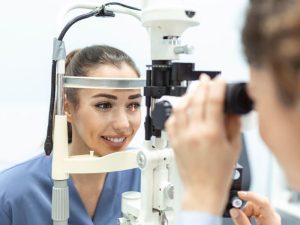


It’s one of the first questions almost everyone asks: is LASIK actually safe? And it’s the right question to ask. This is elective surgery on your eyes — you should approach it thoughtfully, weigh the evidence, and expect honest answers.
The good news is that LASIK is among the most-studied elective procedures in the world, with a well-documented safety and satisfaction record. But “safe” doesn’t mean “risk-free,” and a responsible clinic will always be upfront about both sides. This guide gives you the balanced picture: the success rates, the real risks, how complications are minimized, and what genuinely makes LASIK safe for the right patient.
What the evidence says about LASIK success
Let’s start with the numbers, because they’re reassuring. According to the American Academy of Ophthalmology, reviews of more than 300 peer-reviewed studies have found that, on average, around 95% of patients are satisfied with their outcomes after LASIK. That’s an exceptionally high satisfaction rate for any surgical procedure.
The Academy also emphasizes that LASIK’s risks and benefits have been studied consistently since the procedure was approved decades ago. This isn’t new or unproven technology — it’s a mature procedure with a long track record. The U.S. FDA maintains a dedicated LASIK program that regulates the lasers, monitors outcomes, and publishes patient-focused resources, adding another layer of oversight.
The real risks: what can actually happen
Being informed means understanding the risks honestly. Most are temporary and minor; serious complications are uncommon. Here’s the realistic breakdown.
Common, temporary side effects
- Dry eye. The most common side effect. Many patients experience dryness in the weeks after surgery, which typically improves steadily and is managed with lubricating drops. For most people it resolves; troublesome, long-lasting dry eye is uncommon in well-screened patients.
- Nighttime visual effects. Glare, halos, and starbursts around lights — especially noticeable at night — are common early on and usually diminish over the following weeks and months.
- Fluctuating vision. Your vision may shift slightly during the healing period before stabilizing.
These effects are part of normal healing for many patients, not signs that something has gone wrong. Our LASIK recovery timeline explains when to expect them and when they typically fade.
Less common outcomes
- Under-correction or over-correction. Occasionally the result isn’t perfectly on target, and a fine-tuning enhancement may be recommended once the eye has stabilized. See Can You Get LASIK Twice?
- Flap complications. Because LASIK involves creating a corneal flap, there’s a small risk of flap-related issues, which is one reason blade-free (femtosecond) flap creation and careful technique matter.
Rare, serious complications
Serious, sight-threatening complications — such as significant infection or substantial persistent visual symptoms — are rare, particularly when patients are carefully selected and the procedure is performed to a high standard. The AAO acknowledges that a small number of patients can have substantial and persistent symptoms, which is precisely why ongoing research and careful patient selection are so important. Independent Canadian bodies such as CADTH have also reviewed the evidence on refractive laser surgery.
What actually makes LASIK safe
Safety isn’t a property of the procedure alone — it’s the product of good decisions made before, during, and after surgery. Here’s what separates a safe LASIK experience from a risky one.
1. Rigorous patient selection
This is the single biggest safety factor. The reason LASIK has such high satisfaction rates is that responsible surgeons decline to operate on unsuitable candidates. Screening for adequate corneal thickness, a stable prescription, healthy eyes, and realistic expectations weeds out the cases most likely to have problems. If a clinic seems eager to approve everyone, that’s a red flag, not a convenience. Our guide Am I a Good Candidate for LASIK? explains what’s assessed.
2. Advanced diagnostic technology
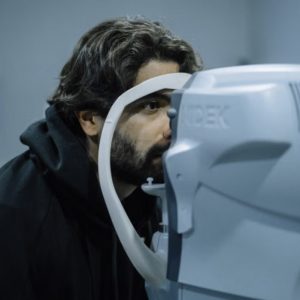
Detailed corneal mapping, thickness measurement, and tear-film evaluation give the surgeon the information needed to plan safely — or to recommend a different procedure if LASIK isn’t ideal. At Clarity Laser Vision, we use several diagnostic machines that measure the exact same structure of the eye to further validate who is a good candidate. This way we provide a higher level of scrutiny in ensuring patients are carefully selected for the right procedure suitable for their eyes.
3. Modern surgical technology
Blade-free, all-laser flap creation and precise, individually calibrated treatment improve consistency and reduce certain risks compared with older methods. We cover this in Blade-Free LASIK: How SBK Technology Improves Results. We should mention that not all lasers are the same and choosing the most advanced laser systems distinguishes a high quality laser centre from another. This could also explain the difference in pricing you may find between centres.
4. Surgeon experience
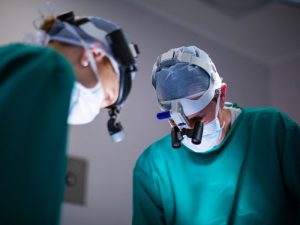
An experienced refractive surgeon who has performed the procedure many times, and who knows when not to operate, is central to a safe outcome. In Alberta, ophthalmologists practise within the standards upheld by the Canadian Ophthalmological Society. A further point to make here is that while there may be a lot of eye surgeons that perform LASIK, choosing a corneal specialist who is a refractive surgeon provides you with more confidence that the surgeon likely has far more experience operating on the structure of the eye (ie. cornea) than most general eye surgeons performing LASIK.
5. Proper aftercare
Following your drop schedule, avoiding eye-rubbing, and attending every follow-up appointment all protect your result and catch any issue early. See LASIK Aftercare: How to Protect Your Results.
How LASIK safety compares with contact lenses
Here’s a perspective that surprises many people: everyday contact lens wear carries its own ongoing risks, including a small but real risk of serious eye infections, particularly with poor hygiene or overnight wear. LASIK is a one-time procedure, whereas contacts pose a small daily risk over years of use. This doesn’t make contacts “dangerous,” but it’s a useful reminder that “doing nothing” isn’t automatically the risk-free option. We explore the trade-offs in LASIK vs. Contact Lenses.
Setting realistic expectations
Part of a safe, satisfying LASIK experience is understanding what it can and can’t do. LASIK can dramatically reduce or eliminate your dependence on glasses and contacts for everyday tasks. It cannot guarantee flawless vision in every lighting condition, and it doesn’t stop your eyes from aging — you may still need reading glasses later in life. Patients who go in with accurate expectations are consistently the most satisfied. The AAO’s list of questions to ask when considering LASIK is an excellent tool for calibrating your expectations before you commit.
Red flags: signs a clinic isn’t prioritizing safety
Because so much of LASIK safety comes down to where and by whom it’s performed, learning to spot a lower-quality operation is one of the most protective things you can do. Be cautious if a clinic:
- Approves you without thorough testing. Genuine candidacy requires detailed corneal mapping, thickness measurement, and a dry-eye assessment. A quick glance and a thumbs-up is a warning sign.
- Pressures you to book immediately. Reputable clinics give you information and let you decide in your own time. High-pressure sales tactics have no place in an eye-surgery decision.
- Advertises a single rock-bottom price for everyone. As we explain in our cost guide, your price depends on your eyes. A one-size-fits-all bargain often means one-size-fits-all care.
- Won’t tell you who’s operating or how experienced they are. You have every right to know your surgeon’s background and how many procedures they’ve performed.
- Dismisses your questions. A clinic that welcomes scrutiny is one that has nothing to hide.
Ask directly: What happens if I’m not a candidate? How do you decide who to turn away? What’s your enhancement policy? Who performs the surgery, and how do you handle complications if they arise? The confidence and transparency of the answers tell you a great deal. Our guide What to Expect During Your LASIK Consultation covers this in depth.
Your role in a safe outcome
Safety is a partnership. Even the best surgeon can’t guarantee a smooth result if aftercare is ignored. You contribute to your own safety when you’re honest about your medical history and symptoms, stop wearing contacts as instructed before your assessment so measurements are accurate, follow your eye-drop schedule to the letter, resist the urge to rub your eyes while healing, and attend every follow-up appointment. None of this is difficult — but each step meaningfully protects your result. Think of your surgeon as responsible for the procedure and yourself as responsible for the healing; both matter.
Frequently asked questions
What is the success rate of LASIK? Reviews of the published research indicate that around 95% of patients are satisfied with their LASIK outcomes, making it one of the higher-satisfaction elective procedures.
Can LASIK cause blindness? Sight-threatening complications are extremely rare. LASIK reshapes the surface of the eye and does not affect the structures whose damage causes blindness.
Is dry eye after LASIK permanent? For most patients, dry eye is temporary and improves over weeks to months. Significant, lasting dry eye is uncommon in well-screened patients.
How can I reduce my risk? Choose an experienced surgeon and a clinic with advanced diagnostics, be honest about your medical history, follow aftercare instructions precisely, and only proceed if you’re a genuine candidate. Choosing a corneal surgeon to do your procedure typically provides you with added safety.
Is LASIK safer than wearing contacts? Both are generally safe, but daily contact lens wear carries a small ongoing risk of infection or inflammation over years, whereas LASIK is a one-time procedure. Your surgeon can help you weigh the comparison.
Get a safety assessment built around your eyes
The safest decision you can make is an informed one. Book a consultation with Clarity Laser Vision in Calgary for a thorough assessment, an honest discussion of your individual risks and benefits, and a recommendation tailored to your eyes.
This article is for general educational purposes and does not constitute medical advice. Only a qualified eye surgeon can assess your individual risks after a complete examination.