
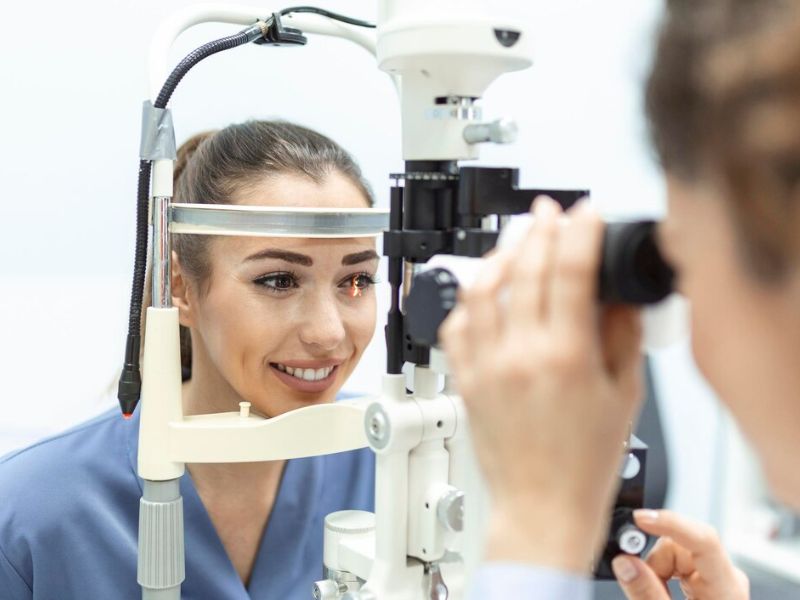
Sudden flashes, a burst of new floaters, or a dark curtain across your vision can signal an eye emergency. A retinal detachment diagnosis requires prompt examination because the retina must remain attached to function properly. Understanding how retinal detachment is diagnosed before surgery shows why a quick assessment matters, even when there is no pain; treating it early prevents further complications and adverse outcomes.
What Is Retinal Detachment?
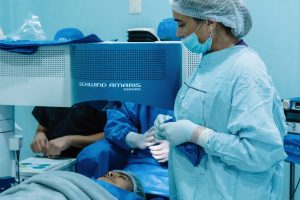
A retinal detachment occurs when the light-sensitive tissue at the back of the eye separates from its supporting layer. Without timely care, it can cause permanent vision loss. Depending on its type and extent, a specialist may recommend retinal detachment surgery to seal a tear or help the retina reattach. The approach depends on the location, cause, and severity. Glasses and routine vision correction services, such as LASIK surgery in Calgary, cannot reattach the retina.
Warning Signs and Diagnostic Tests
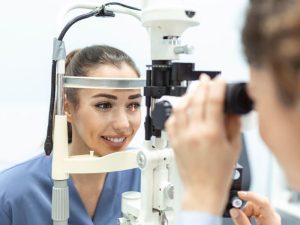
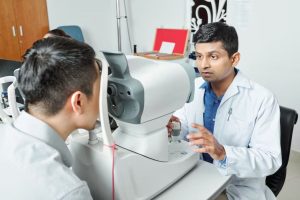
Doctors review your symptoms and assess your retina before treatment to ensure the procedure is suitable for your case. Assessment may include:
- Dilated Exam: Drops widen the pupils so the retina can be inspected.
- Symptom Review: The clinician asks when changes began and whether you have flashes, floaters, a shadow, or an eye injury.
- Retinal Imaging: Ultrasound may help when the retina cannot be seen clearly.
- Tear Assessment: The clinician checks for retinal tears and assesses the extent of retinal detachment.
These findings help guide urgent treatment. This is different from laser eye surgery in Calgary, which corrects certain focusing problems and does not repair a detached retina. Sudden symptoms need same-day emergency assessment; do not wait for a routine appointment and contact a professional for further instructions.
Is Retinal Detachment Treatment Safe?
Retinal repair is commonly performed, but all surgery carries some risk, including bleeding, infection, increased eye pressure, cataract development, or another detachment. Outcomes depend partly on the extent of separation and whether central vision is affected.
The surgeon will discuss the recommended procedure, anaesthesia, recovery, and aftercare. Prompt treatment matters because delay can reduce the chance of preserving vision.
Importance of Professional Eye Surgery
A careful assessment matters because a suspected retinal detachment needs urgent evaluation by an eye-care professional experienced in retinal conditions, not routine vision correction.
At Clarity Laser Vision, we carefully assess eye health when considering refractive procedures, and a previous retinal problem may affect suitability.
If you have sudden flashes, many new floaters, a spreading shadow, or a sudden change in vision, seek urgent eye care rather than waiting for a routine elective consultation. For questions about laser vision correction after a previously treated retinal detachment, call us today and book your appointment.
FAQs
1. Can a retinal tear be treated before detachment develops?
Often, yes. A specialist may use laser treatment or freezing treatment to seal certain retinal tears and lower the risk of detachment, although follow-up remains important.
2. Should I drive myself to an eye examination?
Dilating drops can temporarily blur vision and increase light sensitivity. Ask the clinic whether you should arrange a ride, especially if your vision is already affected.
3. Can retinal detachment affect both eyes?
A detachment may occur in either eye, and some underlying risk factors can affect both. Your eye-care professional can advise whether the other eye needs monitoring.
4. What information should I share with the eye specialist?
Describe when your symptoms began, how they have changed, and whether you have had eye injuries, eye surgery, severe nearsightedness, or previous retinal problems. Bring a current medication list if possible.