
Do you wear glasses or contacts every single day? Many people do. Some dream about seeing clearly without them. Corrective eye surgery eligibility is something lots of folks wonder about. Not everyone can have this surgery, and that’s okay. Let me explain what doctors check before they decide if LASIK surgery in Calgary is right for you.
What Is Corrective Eye Surgery?
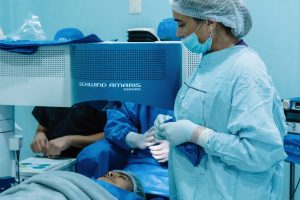
Corrective eye surgery is a procedure that changes the shape of your eye so you see better. Instead of wearing glasses or contacts, your eye does the work naturally. Doctors use a special laser to reshape a part of your eye called the cornea. It sounds fancy, but the idea is simple—make your eye focus light the right way.
Many people have had this done. They wake up and see clearly without any help. But before any doctor does this surgery, they need to check if your eyes are ready for it.
How Doctors Determine Eligibility for Eye Surgery
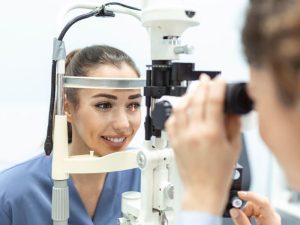
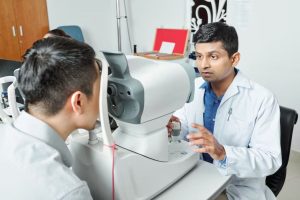
Here’s the thing—surgery is serious. Doctors need to make sure surgery will help you and won’t hurt you. Your eyes are precious. You only get one pair. Before making any changes, doctors run tests and ask lots of questions. They want to know everything about your eyes and your health.
Your Age Matters More Than You Think
Most doctors won’t do corrective eye surgery on young people under 18 years old. Why? Because young eyes are still changing. Your vision keeps shifting as you grow. If a doctor operates too early, your eyes might still change after surgery. Then you might need surgery again later.
The good news? There’s no age limit on the older end. People in their 60s, 70s, and even 80s have had successful corrective eye surgery. If your eyes are healthy, being older doesn’t stop you. At Laser Eye Surgery in Calgary, doctors help patients of all ages.
Your Eyeglass or Contact Prescription Must Be Stable
Before surgery, your prescription needs to be the same for at least two years. This means your glasses or contact lens strength hasn’t changed. Doctors need to know exactly what they’re fixing.
If your prescription keeps jumping around—getting stronger one year, weaker the next—doctors wait. They want a steady target to aim at. Think of it like trying to hit a moving target versus a still one. It’s much easier to hit something that’s not moving.
How Strong Is Your Prescription?
Some prescriptions are too strong for surgery to fix safely. If you’re very nearsighted or very farsighted, surgery might not be the right answer. Your eye doctor measures your prescription and tells you what’s possible.
Most people with mild to moderate prescriptions are good candidates. But everyone is different. That’s why doctors do a full evaluation for each person.
Your Eyes Need to Be Healthy
You can’t have eye surgery if your eyes have diseases or serious problems. Things like glaucoma, cataracts, or retinal disease make surgery too risky. Your doctor checks for these during testing.
Dry eyes are another big thing. Some people have very dry eyes naturally. Surgery can make dry eyes even worse. If your eyes are very dry, your doctor might want to treat that problem first.
The Thickness of Your Cornea
The cornea is the clear front part of the eye. During the surgery, the doctors will reshape it with a laser. However, your cornea must be sufficiently thick for safe reshaping. If it’s too thin, surgery could harm your vision instead of fixing it.
Your doctor measures cornea thickness with a quick, painless test. It takes just a few minutes.
Other Health Problems Matter
Certain health conditions affect whether surgery is safe. If you have diabetes that isn’t controlled well, your doctor might want to wait. Pregnancy changes your vision, so doctors usually wait until after you have your baby. Some diseases that affect your whole body make surgery riskier.
This doesn’t mean you can never have surgery if you have these problems. It might just mean you need to get healthier first or talk carefully with your doctor about special precautions.
Medicines You Take Count
Some drugs affect the healing of your body. For example, blood thinners. Inform your eye physician of all medications you take, even vitamins and supplements. This helps them determine whether surgery would be safe for you.
Your Job and Activities
What you do for your job is important. People in dusty occupational environments may require additional surgical care. Your eyes need extra protection after playing sports which are rough. To ensure you are capable of protecting your eyesight after surgery, your doctor speaks about these things.
What You Expect From Surgery
Your expectations need to be realistic. Surgery gives most people much better vision. But it’s not perfect for everyone. Some people still need reading glasses. Some need glasses for night driving. If you understand this before surgery, you’ll be happy with the results.
Understanding All the Pieces
Many different things determine if you can have corrective eye surgery. But here’s the encouraging part—most people who really want this surgery are actually eligible. The key is getting checked by a good eye doctor who knows what they’re doing.
Your Clear Vision Future Starts Here
If you’re tired of depending on glasses and contacts, you deserve to know your options. An eye exam doesn’t hurt. It doesn’t cost much. It just takes an hour. In that hour, you find out if surgery is possible for you.
Let’s Find Out What’s Possible for You
At Clarity Laser Vision, we care about your vision and your health. Our team does careful evaluations to see if corrective eye surgery is right for you. We explain everything in simple words. We answer every question you have. Whether surgery works for you or not, we help you see your best. Call us today for your free consultation. Your clear vision journey could start right now.
Frequently Asked Questions
Do I have to stop wearing contacts before my eye exam?
Yes, you need to stop wearing contacts for a few days before testing so your eye returns to its normal shape for accurate measurements.
What if I’m not eligible for surgery right now?
Your doctor tells you why and suggests waiting or trying other treatments that might work better for you.
Will my vision stay clear forever after surgery?
Your eyes might change naturally as you age, but the surgery itself is permanent, and your results usually last many years.
How long does it take to find out if I’m eligible?
The full eye evaluation takes about one to two hours and includes several different tests.