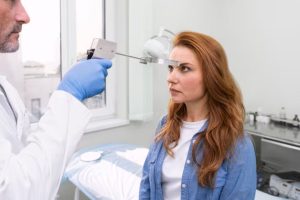


One of the biggest reasons LASIK is so popular is its fast recovery. Unlike many surgeries that involve weeks of downtime, most LASIK patients are back to everyday life within a day or two and notice dramatically improved vision almost immediately. Still, “fast” doesn’t mean “instant,” and knowing what to expect at each stage helps you heal smoothly, avoid setbacks, and feel confident rather than anxious.
This day-by-day guide walks you through the LASIK recovery process — from the moment you leave the clinic to full stabilization months later — along with practical aftercare tips to protect your investment.
Before we start: recovery is individual
Every eye heals a little differently. The timeline below reflects a typical, uncomplicated LASIK recovery, but your own experience may be slightly faster or slower depending on your prescription, your eyes, and how closely you follow aftercare instructions. Your surgeon’s specific guidance always takes priority over any general timeline. If you’re still deciding whether LASIK is right for you, start with What Is LASIK Eye Surgery? and Am I a Good Candidate for LASIK?
The first few hours after surgery
The laser treatment itself takes only about ten to fifteen minutes for both eyes, but plan to spend a couple of hours at the clinic overall. Immediately afterward:
- Your vision will be blurry, hazy, or foggy — this is completely normal.
- Your eyes may water, sting, or burn, and feel as though there’s an eyelash or grit in them.
- You’ll be sensitive to light and may want to keep your eyes closed.
- You cannot drive yourself home, so arrange a ride in advance.
The single best thing you can do in these first hours is sleep. Most clinics recommend going straight home and taking a nap. Closing your eyes for a few hours lets the corneal flap settle and dramatically reduces the initial discomfort. You’ll likely be given clear protective shields to wear, especially while sleeping, so you don’t accidentally rub your eyes.
Day 1: the “wow” moment
Here’s the part patients love. When you wake up the morning after surgery, most people find their vision is noticeably — often dramatically — clearer. Many patients can already see well enough to function normally, and this quick turnaround is exactly what makes LASIK so appealing compared with surface procedures like PRK, which heal more gradually.
That said, day 1 still comes with normal healing sensations:
- Vision may fluctuate throughout the day.
- Mild dryness, light sensitivity, or scratchiness is common.
- You might notice glare or halos around lights, especially at night.
You’ll typically have a follow-up appointment within the first day or two so your surgeon can confirm the flap is healing well and your vision is on track.
Day 1 do’s and don’ts
- Do use your prescribed eye drops exactly as directed.
- Do wear sunglasses outdoors to ease light sensitivity.
- Don’t rub your eyes — this is the golden rule of early recovery.
- Don’t wear eye makeup.
- Don’t swim, use hot tubs, or expose your eyes to dust and smoke.
Days 2–7: the first week
Through the first week, your vision continues to sharpen and stabilize, and any discomfort steadily fades. Most people return to desk work and normal daily routines within a day or two, though you should ease back in rather than pushing through long screen sessions on day one.
During this week:
- Keep using your medicated and lubricating drops on schedule. Dryness is one of the most common early side effects, and drops are your best friend.
- Take screen breaks. Staring at screens reduces blinking and worsens dryness; the 20-20-20 rule (every 20 minutes, look at something 20 feet away for 20 seconds) helps.
- Continue to avoid rubbing your eyes, swimming, and dusty or smoky environments.
- Hold off on eye makeup until your surgeon clears you.
By the end of the first week, many patients feel remarkably normal — but healing is still ongoing beneath the surface, so stick with your aftercare plan.
Weeks 2–4: settling in
Over the next few weeks, your vision keeps refining and night-time visual effects like glare and halos typically continue to diminish. This is when many people start to forget they ever wore glasses.
You can usually resume more activities during this period, but check with your surgeon about timing for:
- Exercise and sports — light activity often resumes within days, but contact sports and swimming take longer.
- Eye makeup — usually reintroduced after the first week or two.
- Wearing goggles for swimming or high-impact activities once you’re cleared.
Continue lubricating drops as needed. Some patients experience dryness for several weeks; this is normal and manageable, and it steadily improves for the vast majority.
Months 1–6: full stabilization
While your vision is functional almost immediately, complete stabilization can take anywhere from a few weeks to several months. During this time:
- Any remaining dryness and nighttime glare typically resolve.
- Your vision reaches its final, stable result.
- Your surgeon may schedule follow-up visits at intervals (for example, one week, one month, and a few months out) to confirm everything has healed as expected.
A small number of patients discover their result would benefit from fine-tuning; in those cases, an enhancement (“touch-up”) may be discussed once the eyes have fully stabilized. We cover this in Can You Get LASIK Twice?
How LASIK recovery compares to other procedures
One reason people choose LASIK specifically is its speed of recovery — but it helps to see that in context of the alternatives.
- LASIK offers the fastest visual recovery of the laser procedures: functional vision often within a day, because the corneal flap preserves the eye’s outer surface.
- PRK / Custom PRK removes the surface layer of the cornea, which then regrows over several days. Vision improves more gradually — often over one to two weeks — and the final result is excellent, but the early recovery asks for more patience.
- SMILE Pro works through a tiny incision rather than a flap, and many patients enjoy a quick, comfortable recovery with potentially less impact on dry eye.
- Lens-based procedures like ICL and RLE follow their own recovery patterns — generally rapid visual improvement, but a different healing profile since they involve an implant rather than reshaping the cornea.
If a fast, straightforward recovery is a priority for you, LASIK is hard to beat. But remember that the “best” recovery is the one attached to the procedure that’s genuinely right for your eyes — which is what a consultation is designed to determine.
How to protect your results
Good aftercare doesn’t just speed healing — it protects the long-term quality of your vision. Beyond the immediate recovery window, our guide LASIK Aftercare: How to Protect Your Results goes deeper, but the essentials are simple:
- Follow your drop schedule precisely.
- Never rub your eyes, especially in the first weeks.
- Attend every follow-up appointment, even if your vision feels perfect.
- Protect your eyes from UV with quality sunglasses.
- Report anything unusual — worsening pain, sudden vision changes, or signs of infection — to your clinic promptly.
The U.S. FDA’s LASIK resource hub and the American Academy of Ophthalmology both provide trustworthy patient information on healing and what to watch for.
When to call your surgeon
Most recoveries are smooth, but you should contact your clinic promptly if you experience severe or worsening pain, a sudden drop in vision, increasing redness, discharge, or any sign that the flap may have shifted (for example, after accidental eye trauma). These situations are uncommon, but early attention matters. This is another reason to choose a clinic with strong follow-up care, such as Clarity Laser Vision in Calgary, where post-operative support is part of the package.
Frequently asked questions
How soon can I see clearly after LASIK? Most patients notice dramatically improved vision within 24 hours, though it continues to sharpen over the following days and weeks.
When can I return to work? Many people return to desk work within a day or two. Physically demanding or dusty jobs may require a little longer — ask your surgeon.
When can I drive again? You cannot drive on the day of surgery. Many patients are cleared to drive within a day or two once their vision meets the legal standard and their surgeon approves.
How long does dryness last? Mild dryness is common for a few weeks and occasionally longer, but it steadily improves for the large majority of patients and is well managed with lubricating drops.
When is my vision considered “final”? Vision is usually functional within a day, but full stabilization can take several weeks to a few months.
Ready to start your LASIK journey?
Understanding recovery is a big part of feeling confident about LASIK. If you’re ready to find out whether it’s right for you — and what your personal timeline might look like — book a consultation with Clarity Laser Vision in Calgary. Our team will guide you from assessment through every stage of healing.
This article is for general educational purposes and does not constitute medical advice. Individual recovery varies; always follow the specific instructions provided by your eye surgeon.