

Your eyes are incredibly important and like any part of your body, they send signals when something is not right. The problem is that many people ignore those signals, hoping the issue will resolve on its own. Sometimes it does. But sometimes, waiting too long can lead to permanent damage.
Knowing the blurry vision signs you need an ophthalmologist and acting on them promptly can genuinely protect your sight for years to come. If your vision has been bothering you, this guide will help you understand when it is time to stop waiting and seek professional care.
What Is an Ophthalmologist?
Before looking at the signs, it helps to understand who an ophthalmologist actually is.
An ophthalmologist is a medical doctor who specializes in eye health. They are trained to diagnose and treat a full range of eye conditions from common refractive errors like short-sightedness to complex conditions like glaucoma, cataracts, and retinal disease.
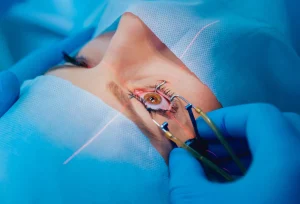
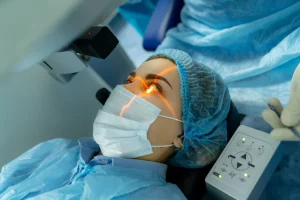
An ophthalmologist can also perform eye surgery when needed including laser vision correction, cataract removal, and other procedures that optometrists and opticians are not qualified to carry out.
If your symptoms are beyond what glasses or contact lens adjustments can address, an ophthalmologist is the right specialist to see.
Signs You Need to See an Ophthalmologist
Here are the key warning signs that should prompt you to book an appointment without delay.
Sudden or Worsening Blurry Vision
Occasional eye strain from screens is common. But blurry vision that comes on suddenly or that has been gradually getting worse over weeks or months is a sign that something needs to be assessed.
Blurry vision can be a symptom of several conditions; it could be a simple refractive error, the early stages of a cataract, diabetic eye disease, or a problem with the nervous system. Do not take it for granted that it will get better by itself.
Eye Pain or Persistent Discomfort
Healthy eyes should not hurt. If you are experiencing eye pain whether sharp, aching, or a constant dull pressure that is a signal worth taking seriously.
Eye pain and vision problems specialist in Calgary consultations often reveal conditions like acute glaucoma, corneal damage, or inflammation that require prompt treatment to prevent lasting damage.
Seeing Flashes of Light or Floaters
A sudden increase in floaters those small shapes or spots drifting across your vision — especially when accompanied by flashes of light, can indicate a retinal tear or detachment. This is a genuine medical emergency.
Don’t hesitate to get your eyes checked if you suddenly notice an “explosion” of floaters or if you “see” flashing lights and have shadows entering your field of vision. Permanent vision loss could result from a delay in the treatment of retinal detachment.
Loss of Peripheral Vision
If you have noticed that your side vision what you can see to the left or right without moving your eyes has been narrowing or disappearing, this is a serious concern.
Loss of peripheral vision is a hallmark symptom of glaucoma a condition that damages the optic nerve and can lead to permanent blindness if left untreated. Because glaucoma often develops without pain, peripheral vision loss may be the first noticeable sign.
Double Vision
Seeing double whether in one eye or both is not something to brush aside. Double vision can be caused by corneal irregularities, lens problems, issues with the muscles controlling eye movement, or neurological conditions. It always warrants professional assessment.
Red Eyes That Do Not Improve
Occasional redness from tiredness or minor irritation is common. But persistent or severe redness particularly when accompanied by pain, discharge, or vision changes may indicate conjunctivitis, uveitis, or other conditions that need treatment.
Sensitivity to Light
A sudden or significant increase in light sensitivity—called photophobia—can point to inflammation inside the eye, corneal damage, or other conditions that need to be assessed and treated.
Who Should Have Regular Eye Exams?
Even without symptoms, regular eye examinations are important for many people. Refractive surgery in Calgary specialists and ophthalmologists recommend more frequent monitoring for
| Patient Group | Why More Frequent Monitoring Matters |
| Adults over 40 | The risk of glaucoma and macular degeneration increases |
| Diabetic patients | Diabetes can cause progressive retinal damage |
| People with a family history of eye disease | Genetic risk for glaucoma, macular degeneration |
| Those with existing refractive errors | Prescription changes and eye health monitoring |
| Anyone considering laser vision correction | Pre-operative assessment is essential |
| People with high blood pressure | Can affect blood vessels in the retina |
For most healthy adults, an eye examination every one to two years is a sensible baseline. If any of the above apply to you, your ophthalmologist may recommend more frequent visits.
What to Expect at an Ophthalmology Appointment
Knowing what happens at an appointment removes a lot of the anxiety people feel about going.
Here is a simple overview:
- Medical history review—your eye and general health history is discussed
- Vision testing — your visual acuity is measured at various distances
- Eye pressure measurement — to screen for glaucoma
- Dilated eye exam—drops are used to widen the pupils so the back of the eye can be examined in detail
- Imaging if needed—advanced scans of the retina or optic nerve may be taken
- Discussion of findings—your ophthalmologist explains what they found and what the next steps are
The appointment is thorough but not uncomfortable. The dilation drops may cause temporary light sensitivity for a few hours—bringing sunglasses is a good idea.
Your Eyesight Is Worth Protecting
Get to know our practice is available for many conditions—but the best outcomes almost always come from catching problems early. Whether your concern is blurry vision, eye discomfort, or something more sudden and alarming, acting sooner rather than later is always the right decision.
At Clarity Laser Vision, their experienced and dedicated team of specialists is committed to protecting and improving your vision with thorough, compassionate, and expert care. If you have noticed any of the signs discussed in this guide, do not wait.
Book your consultation with us today and take the first step toward a clearer, healthier vision.
Frequently Asked Questions:
What is the difference between an ophthalmologist and an optometrist?
An optometrist performs eye exams and prescribes glasses and contact lenses an ophthalmologist is a medical doctor who diagnoses and treats eye diseases and can perform eye surgery.
How quickly should I see an ophthalmologist if I notice sudden vision changes?
Sudden vision changes particularly flashes, a sudden increase in floaters, or a shadow in your vision should be assessed the same day, as they can indicate a retinal emergency.
Can an ophthalmologist determine if I am a candidate for laser eye surgery?
Yes, a comprehensive preoperative assessment by an ophthalmologist determines whether your corneal shape, thickness, and prescription make you a suitable candidate for laser vision correction.
Is eye pain always a sign of something serious?
Not always but persistent, severe, or sudden eye pain should always be professionally assessed. Some causes of eye pain, like acute glaucoma, require urgent treatment to prevent permanent vision loss.