
Millions of people around the world have said goodbye to glasses and contact lenses thanks to one procedure. If you have been thinking about it but are not quite sure what it involves, this is the place to start. A complete guide to laser eye surgery for vision correction begins with understanding what the procedure actually does, how it is done, and what you can realistically expect from it. The answers are simpler than most people think.
What Is Laser Eye Surgery?
Laser eye surgery is a medical procedure that uses a precise laser to reshape the cornea the clear, curved surface at the front of the eye. When the cornea is reshaped correctly, light entering the eye focuses more accurately on the retina, producing clearer vision.
Most vision problems short-sightedness, long-sightedness, and astigmatism exist because the cornea is not quite the right shape. Glasses and contacts compensate for this from the outside. Laser eye surgery corrects it from within the eye itself.
The procedure is permanent in the sense that the corneal reshaping does not reverse. It is one of the most performed elective procedures in the world, with a strong track record built over more than three decades of clinical use.
What Types of Laser Eye Surgery Are Available?
There is not just one kind of laser eye surgery. There are several techniques, and the right one depends on your eye structure, prescription, and lifestyle. When people search for a trusted eye clinic, one of the first conversations they have is about which procedure suits them best.
LASIK
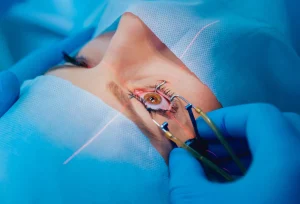
LASIK is the most common form of laser eye surgery. The laser removes an extremely thin flap from the top surface of the cornea and turns it back to enable the laser to reshape the tissue underneath. The flap is turned back and heals.
LASIK has a very quick recovery period, and most people experience significant improvements to their sight within 24 hours.
LASEK and PRK
No flap is raised with these procedures. The front layer of the cornea is lifted, and the laser is passed through the cornea. There is a slightly longer recovery time than with LASIK, and these procedures may be better suited for people with thinner corneas or peculiar eye shapes.
SMILE
SMILE is a newer, keyhole technique where no flap is created at all. A small lens-shaped piece of tissue is removed from within the cornea through a tiny incision. It is a good option for patients who are not suitable for LASIK and is particularly popular with people who play contact sports.
Lens-Based Procedures
For the patient whose prescription is not treatable with a laser, implantable collamer lenses or refractive lens exchange, which involves the addition of a lens within the eye.
How Laser Eye Surgery Improves Eyesight
Understanding how laser eye surgery improves eyesight comes down to one concept: light focus.
In a healthy eye, light passes through the cornea and lens and focuses precisely on the retina at the back of the eye. In someone with short-sightedness, the eye is slightly too long or the cornea too curved, so light focuses in front of the retina. In long-sightedness, it focuses behind it. In astigmatism, an irregularly shaped cornea causes light to scatter.
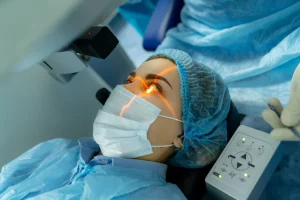
The laser used in these procedures removes microscopic amounts of corneal tissue with extraordinary precision—we are talking about fractions of a micrometre. By removing tissue in a very specific pattern, the cornea is reshaped so that light now focuses exactly where it should.
The laser itself does not cut in a damaging way. It works by breaking the molecular bonds in the tissue, removing material without generating heat or affecting the surrounding area.
What Happens on the Day of the Procedure?
Many people are surprised by how straightforward the experience actually is.
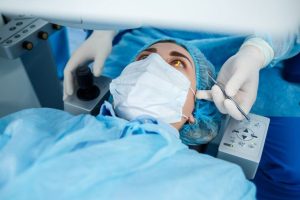
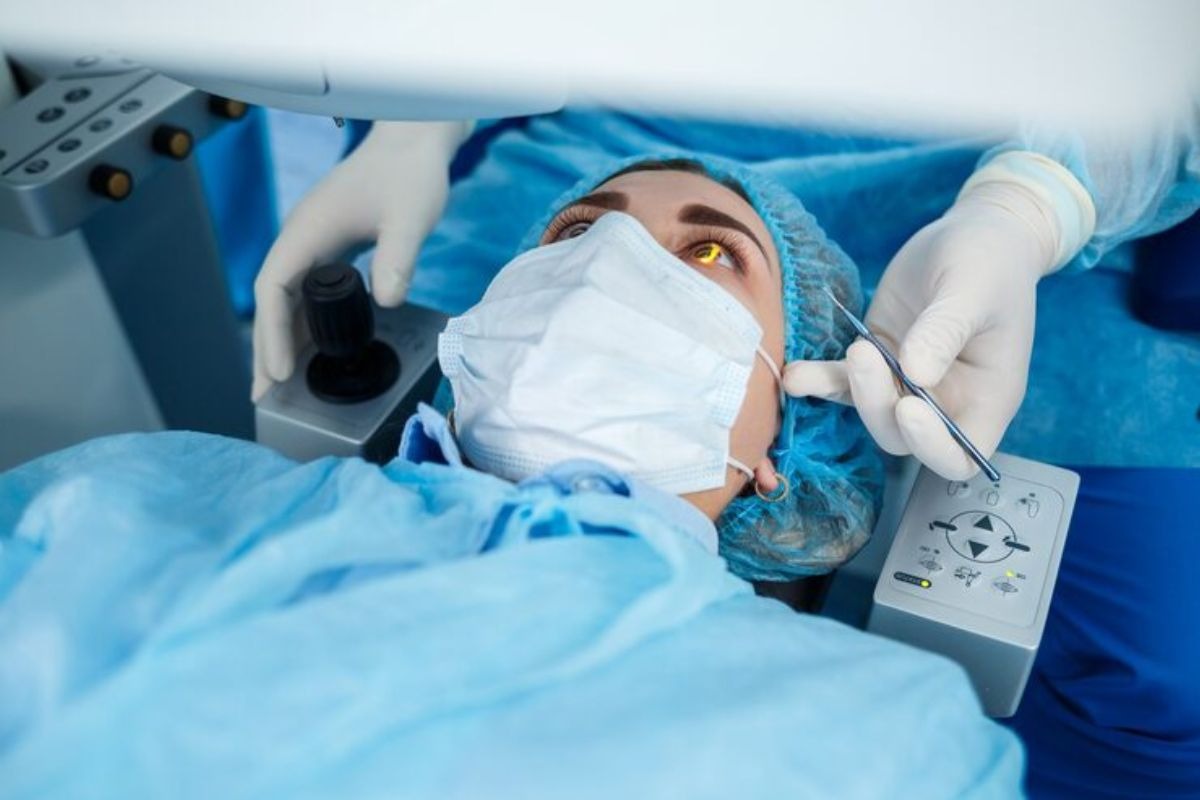
Before the procedure, numbing drops are placed in the eye. The entire laser treatment for each eye typically takes less than a minute. You will be asked to focus on a small light, and the laser does the rest. The equipment tracks your eye movement in real time, adjusting automatically so the treatment stays precisely on target even if your eye moves slightly.
Most patients are in and out of the clinic within a couple of hours, including preparation and recovery time. The procedure itself is over very quickly.
Am I a Suitable Candidate?
Not everyone is a candidate for every type of laser eye surgery, but many more people are eligible than they expect.
General factors that make a good candidate include:
- Stable prescription for at least one to two years
- Corneas of sufficient thickness
- No active eye disease
- Age of 18 or older — most clinics prefer 21 or older for prescription stability
- Reasonable expectations for the results
Contraindications might include high prescription, abnormal corneal state, severe dry eyes, and autoimmune disease. So, a pre-operative evaluation must be performed before any further process.
At a trusted provider of our office location, the assessment process is detailed and transparent. You will know exactly whether you are suitable, and if not, what alternatives exist.
What Is Recovery Like?
Recovery depends on which procedure you have had, but most people experience a significant improvement in vision within the first 24 to 48 hours.
Here is what to expect in the days and weeks that follow:
- Mild watering, light sensitivity, or a gritty feeling in the first day or two — this is normal
- Avoid rubbing your eyes, especially in the first few weeks
- Use prescribed eye drops as directed to support healing and prevent dryness
- Avoid swimming and contact sports for a few weeks
- Attend all follow-up appointments so healing can be monitored
Most patients can return to desk work within a day or two. Activities involving water, dust, or physical contact need a longer wait.
What Results Can You Realistically Expect?
The majority of patients achieve 20/20 vision or better after laser eye surgery. Many achieve a vision that is sharper than they ever had with glasses or contacts.
That said, results do vary. Some patients may still need glasses for specific tasks—particularly reading as they get older, which is related to natural aging rather than the surgery itself.
Patients searching for eye surgery should always have an honest conversation with their surgeon about expected outcomes based on their specific prescription and eye profile. A good clinic will never overpromise.
See Clearly Without Limits — Visit Clarity Laser Vision
If you have spent years depending on glasses or contact lenses, laser eye surgery may be closer to reality than you think. The procedure is well established, the technology is advanced, and the results for suitable candidates are consistently strong.
At Clarity Laser Vision, the team takes a thorough, patient-first approach to every consultation. From your initial assessment to your post-operative care, you will have clear answers, honest guidance, and a team that is with you every step of the way.
Book your consultation today and find out whether laser eye surgery is right for you.
Frequently Asked Questions:
Is laser eye surgery painful?
The actual procedure is not painful; eye numbing drops are applied before the surgery takes place, and most patients will only feel pressure on the eye during the surgery itself. Some discomfort and a gritty feeling might be experienced for 24-48 hours after the surgery.
How long do the results of laser eye surgery last?
The corneal reshaping is permanent. However, natural changes to the eye that come with aging—particularly the need for reading glasses—can still occur over time and are unrelated to the surgery.
Can I have laser eye surgery if I have astigmatism?
Yes. Most laser eye surgery techniques are designed to treat astigmatism as well as short-sightedness and long-sightedness. Your suitability will be confirmed during your preoperative assessment.
What is the minimum age required for laser eye surgery?
Minimum age varies across the clinics, with most expecting to be 18, but a lot of them will insist on the age of 21 and above to ensure the patient’s prescription has been stable for some time. There is no upper age limit, but lens procedures might be recommended to elderly patients.