
When it comes to refractive correction surgery, everybody is familiar with LASIK or cataract surgery. But there is another very useful option which is being selected by many: Refractive Lens Exchange (RLE). If you are interested in long-term vision improvement and seeing an eye surgeon in Calgary, you should know about RLE and how it differs from other procedures such as cataract surgery.
What Is Refractive Lens Exchange?
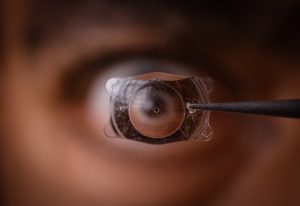
Refractive Lens Exchange is a procedure where the natural lens of the eye is removed and is replaced with an artificial intraocular lens (IOL). The surgical process in RLE is similar to cataract surgery but is undertaken mainly to improve vision and not for cataract surgery. Individuals undergoing RLE usually do so in a bid to minimize their dependence on glasses or contact lenses, particularly individuals above 40 years who are starting to develop presbyopia.
Benefits of Refractive Lens Exchange
There are many advantages to choosing RLE, including:
- Long-lasting vision correction: Once the lens is replaced, the results are typically permanent.
- No future risk of cataracts: Since your own lens is being taken out, you will never get cataracts.
- Increased focus range: State-of-the-art IOLs correct near, intermediate, and distance vision.
- Reduced glasses need: The majority of patients don’t require corrective lenses.
All of these advantages of refractive lens exchange in Calgary are why it is the patients’ most popular option for a definitive and permanent solution to their vision correction.
Refractive Lens Exchange vs Cataract Surgery
At a glance, the procedures might look identical, but they serve different purposes:
- Purpose: Cataract surgery is done to remove a cloudy lens due to cataracts. RLE, on the other hand, is elective and performed to improve vision.
- Timing: Cataract surgery usually happens later in life when vision is impaired. RLE can be done earlier to avoid age-related vision issues.
- Insurance coverage: Cataract surgery is often covered by insurance, while RLE is typically an out-of-pocket procedure.
- Lens options: RLE patients usually opt for premium lenses to gain the widest range of vision correction.
Understanding the nuances of refractive lens exchange vs cataract surgery can help you make an informed decision about your vision needs.
Is Refractive Lens Exchange Right For You?
RLE may be suitable for:
- Individuals over 40 with presbyopia or high farsightedness
- Those who are not candidates for LASIK or PRK
- People looking to eliminate the risk of cataracts later in life
However, like any surgical procedure, it does carry some risks such as dry eye, glare, or halos at night. Discussing these with a qualified eye surgeon near you can help determine your candidacy.
What to Expect During the Procedure?
The RLE procedure is usually completed in under 30 minutes per eye and is done on an outpatient basis. Here’s what the typical process looks like:
- Preoperative exam: Detailed measurements of your eyes are taken.
- Anesthesia: A Local anesthetic is used to numb the eye.
- Lens removal: The natural lens is carefully removed.
- Lens replacement: The IOL is inserted in its place.
- Recovery: Most people bounce back in just a few days and feel a clearer vision soon after.
Aftercare And Recovery
Recovery from RLE is generally quick. Patients may experience slight blurriness or discomfort, but these symptoms typically subside within a few days. You’ll be given aftercare instructions to follow, which may include using eye drops and avoiding strenuous activity.
Vision That Matches Your Lifestyle Awaits!
Tired of juggling glasses or contact lenses? Let Clarity Laser Vision help you explore a long-term solution. Schedule your consultation today to find out if Refractive Lens Exchange is the right match for your eyes, your goals, and your way of life. Let us know if you want a version with a more casual, bold, or professional style!